
Ecological Infrastructure Development
From a single courtyard to a territorial landscape. We bring ecological intelligence to any project, at any scale.
Desert Group partners with governments, developers and investors to plan, design, build and steward ecological infrastructure. Whether you are working at the scale of a resort, a masterplan or an entire region, there is an aspect of what we do that will strengthen your project: environmentally, commercially and experientially.
WHAT IS ECOLOGICAL INFRASTRUCTURE DEVELOPMENT
A network of living systems that work together
Each system is designed to function independently and as part of the wider landscape, creating connected water, habitat and climate performance across a territory.
Water Security
Freshwater stress is intensifying across arid regions. Natural systems like catchments, wadis and wetlands are the most resilient long-term solution.
Climate Resilience
Heat, flooding and coastal erosion increase infrastructure costs over time. Ecological systems reduce risk and improve long-term performance.
Investment Value
Nature-positive landscapes generate tourism differentiation, real estate premium, ESG returns and destination identity that compound over generations.
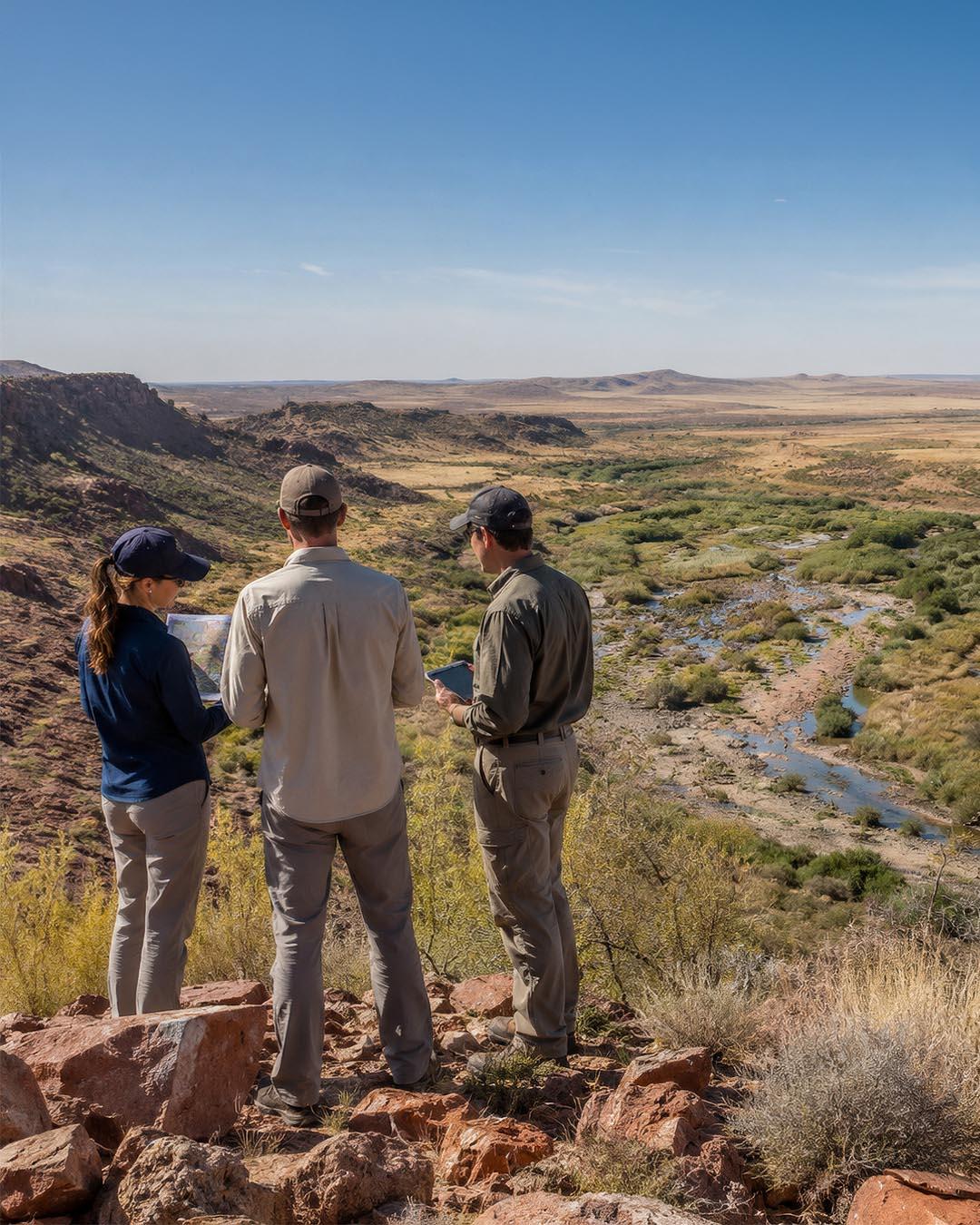
Ecological Planning
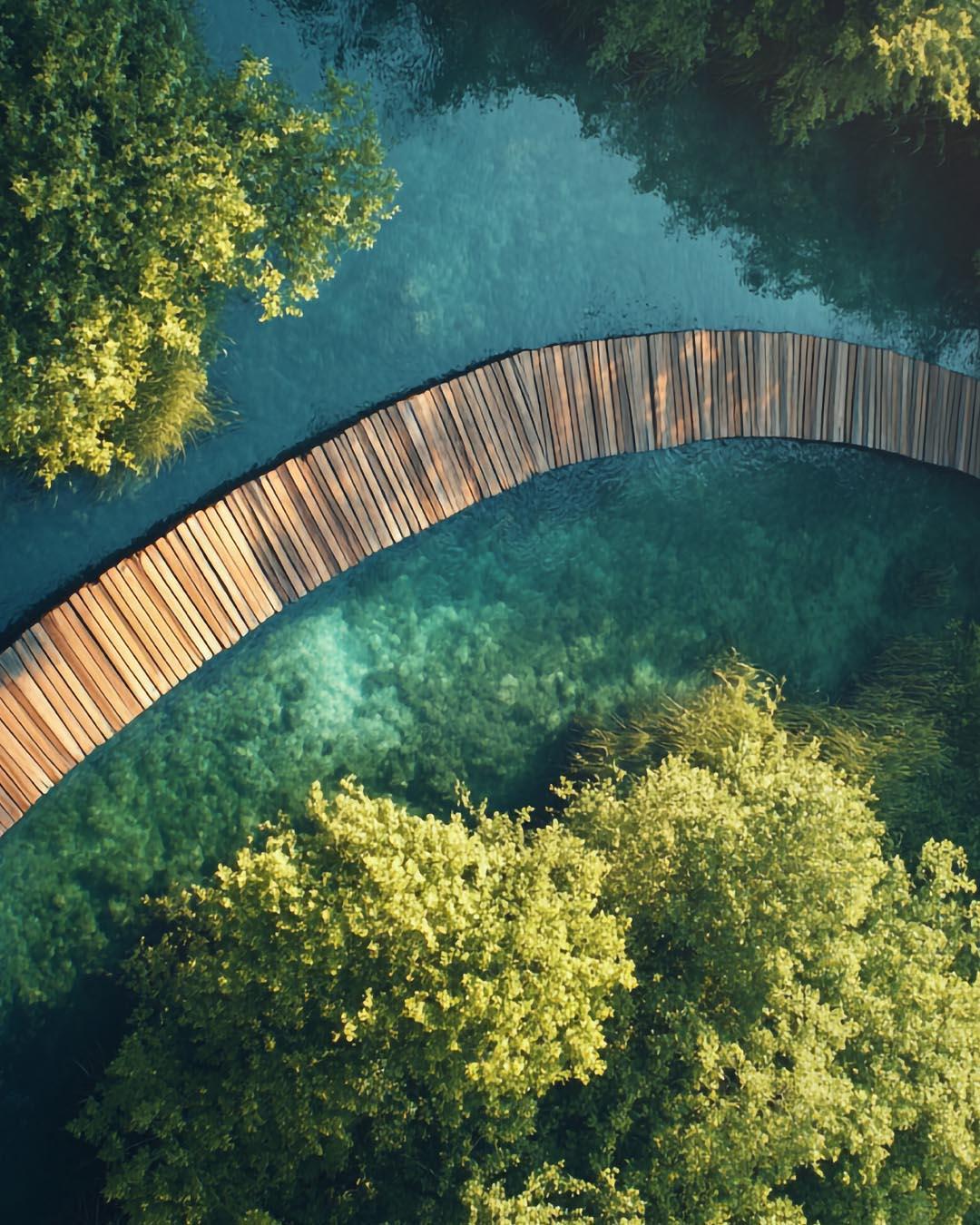
Landscape and Experience Design
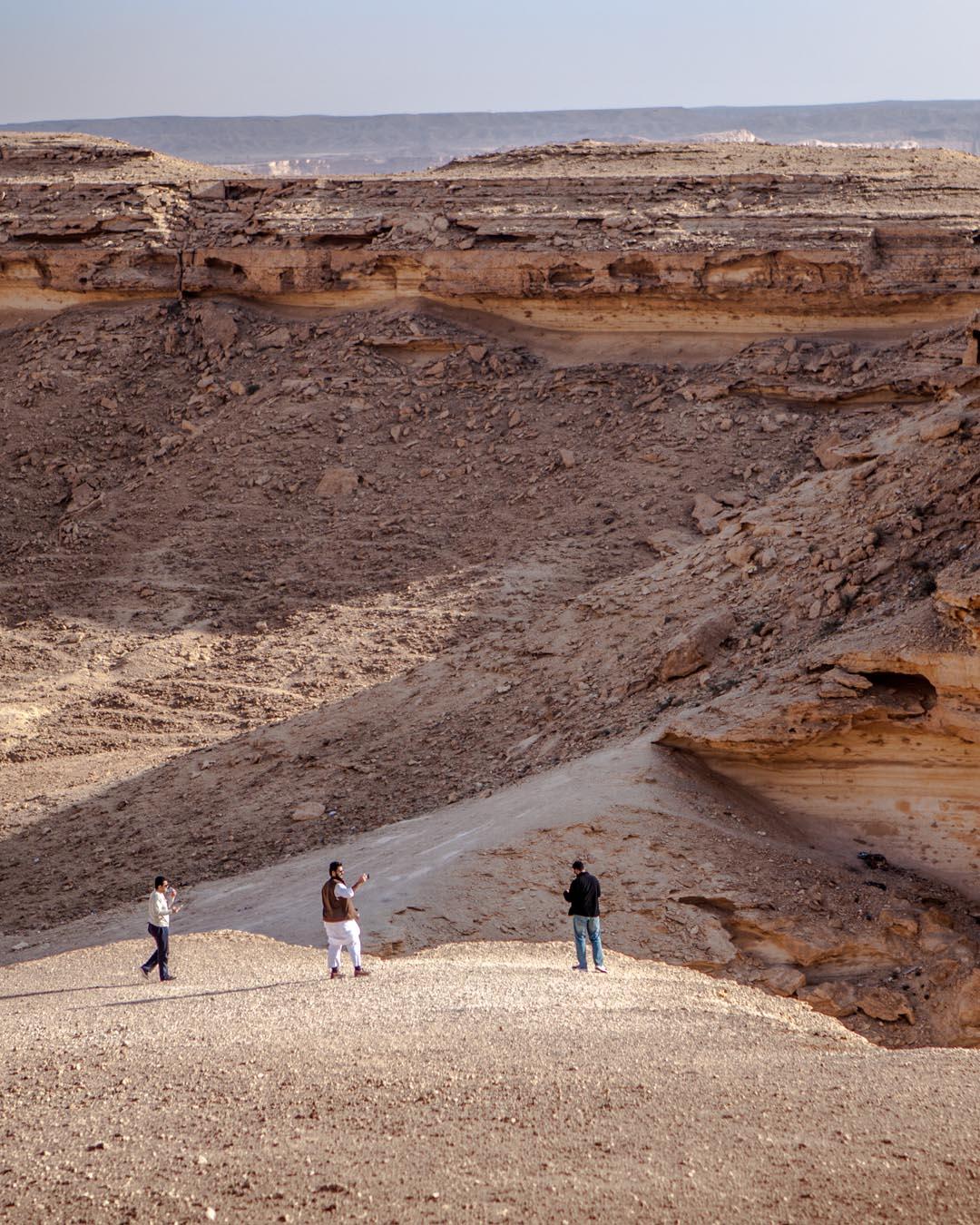
Restoration Design
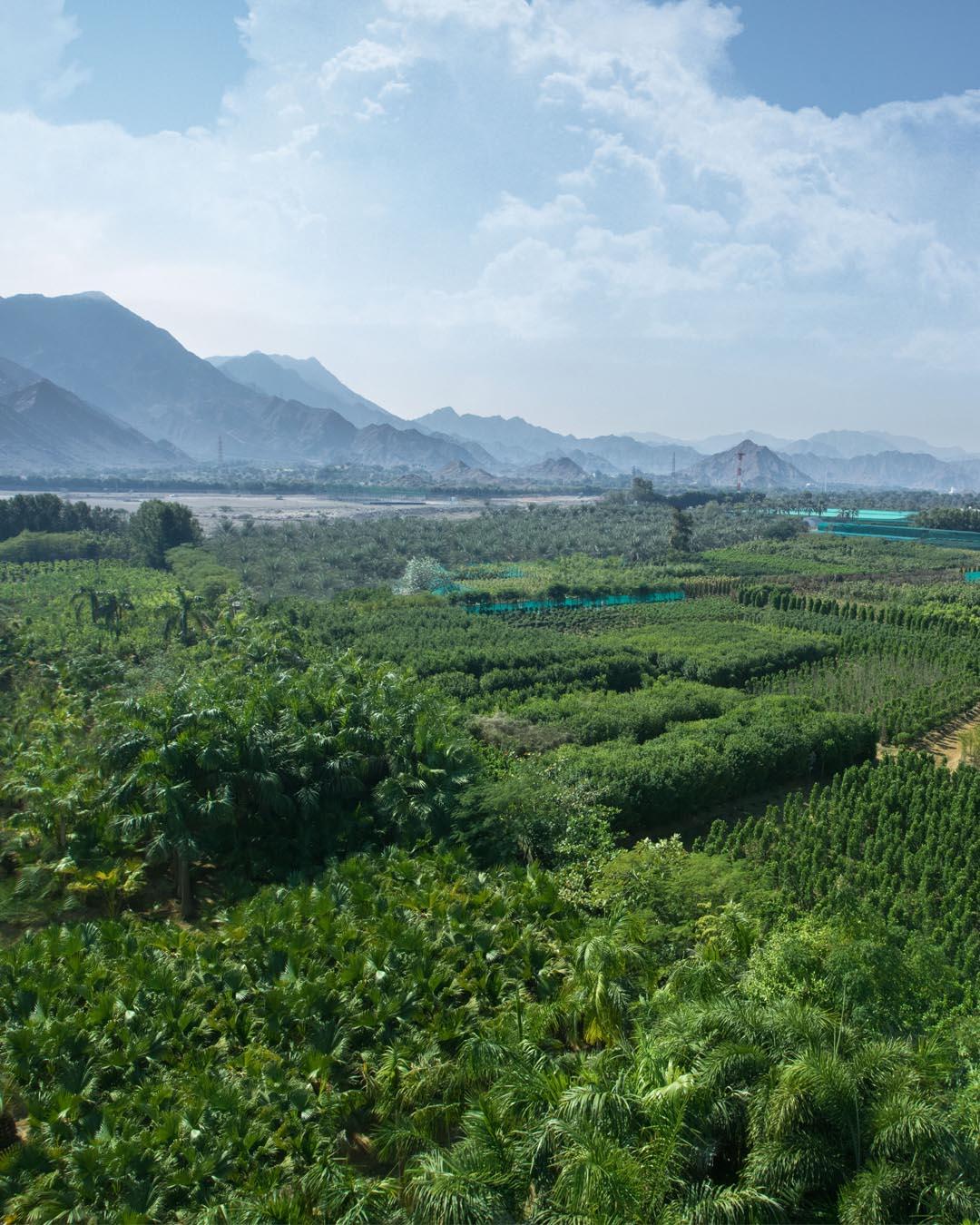
Native Nursery and Planting
Monitoring and Adaptive Management
Hydrology and Modelling
Blue Carbon and ESG Advisory
What We Do
Infrastructure that works with nature & not around it.
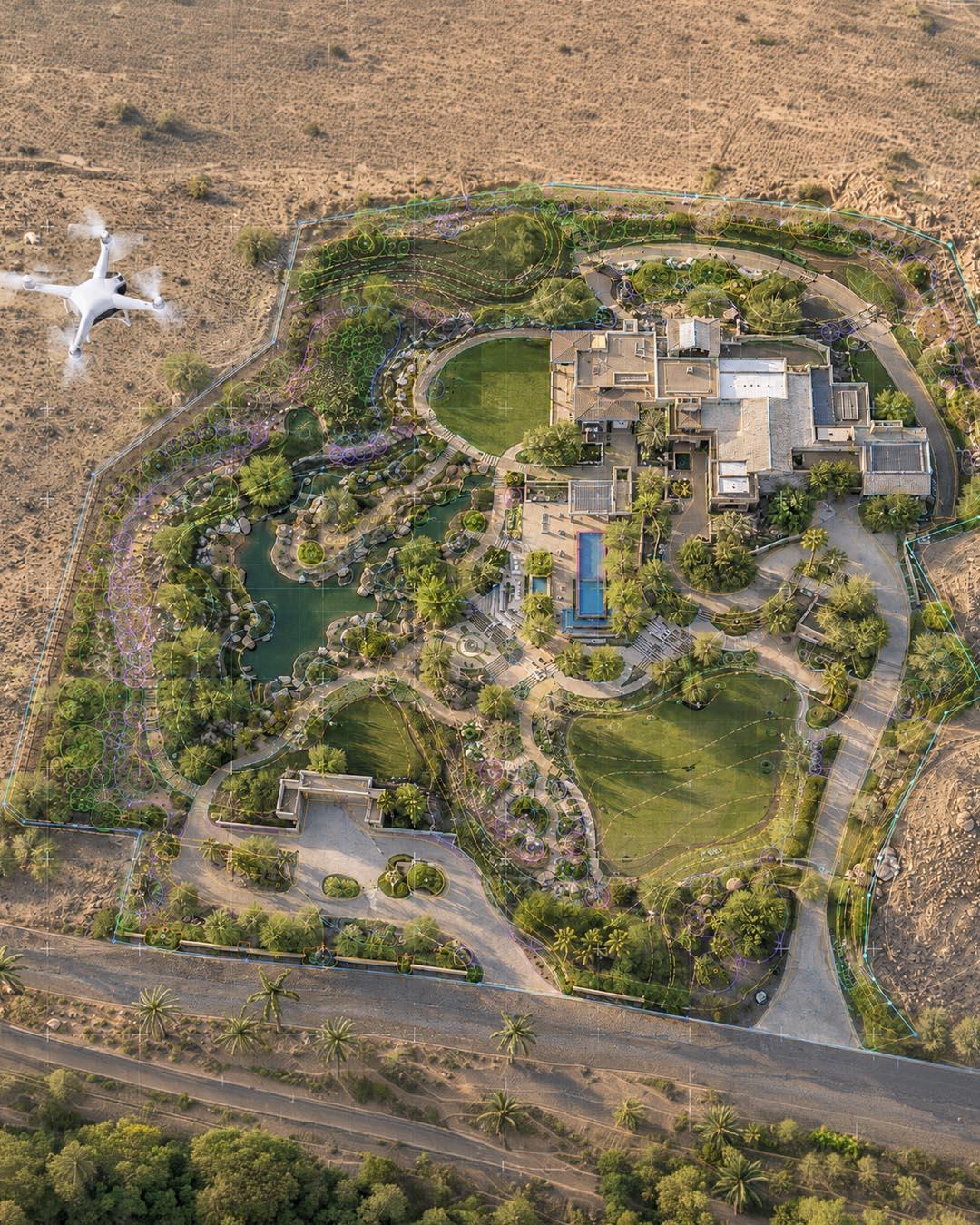
Every project exists within a landscape that already has its own logic: how water moves through it, where the soil is degraded, which habitats are fragmented, how heat and wind behave across it. Ecological infrastructure works by understanding that logic first, then designing with it rather than against it.
That principle applies whether the brief is a 500m² courtyard, a 50-hectare resort, a new urban district or a territorial master framework. The scale changes. The approach does not. In every case, working with natural systems creates outcomes that are more resilient, more distinctive and more valuable over time than those built without that thinking.
The mountain-to-sea framework is one expression of this at its most ambitious scale. The same ecological intelligence informs every project we touch, regardless of size or sector.
The Gulf Context
The Arabian Gulf faces pressures that demand a different kind of thinking.
Extreme heat, water scarcity, rapid coastal development and degraded natural systems are shared challenges across the region. Ecological infrastructure answers all four simultaneously, not as a trade-off but as one connected response.
01
Extreme Heat
Summer temperatures regularly exceed 50°C. Urban heat islands are intensifying. Nature-based cooling is the most cost-effective long-term response.
02
Water Scarcity
The Gulf is among the most water-stressed regions globally. Restoring catchments, wadis and infiltration landscapes rebuilds natural water security.
03
Coastal Pressure
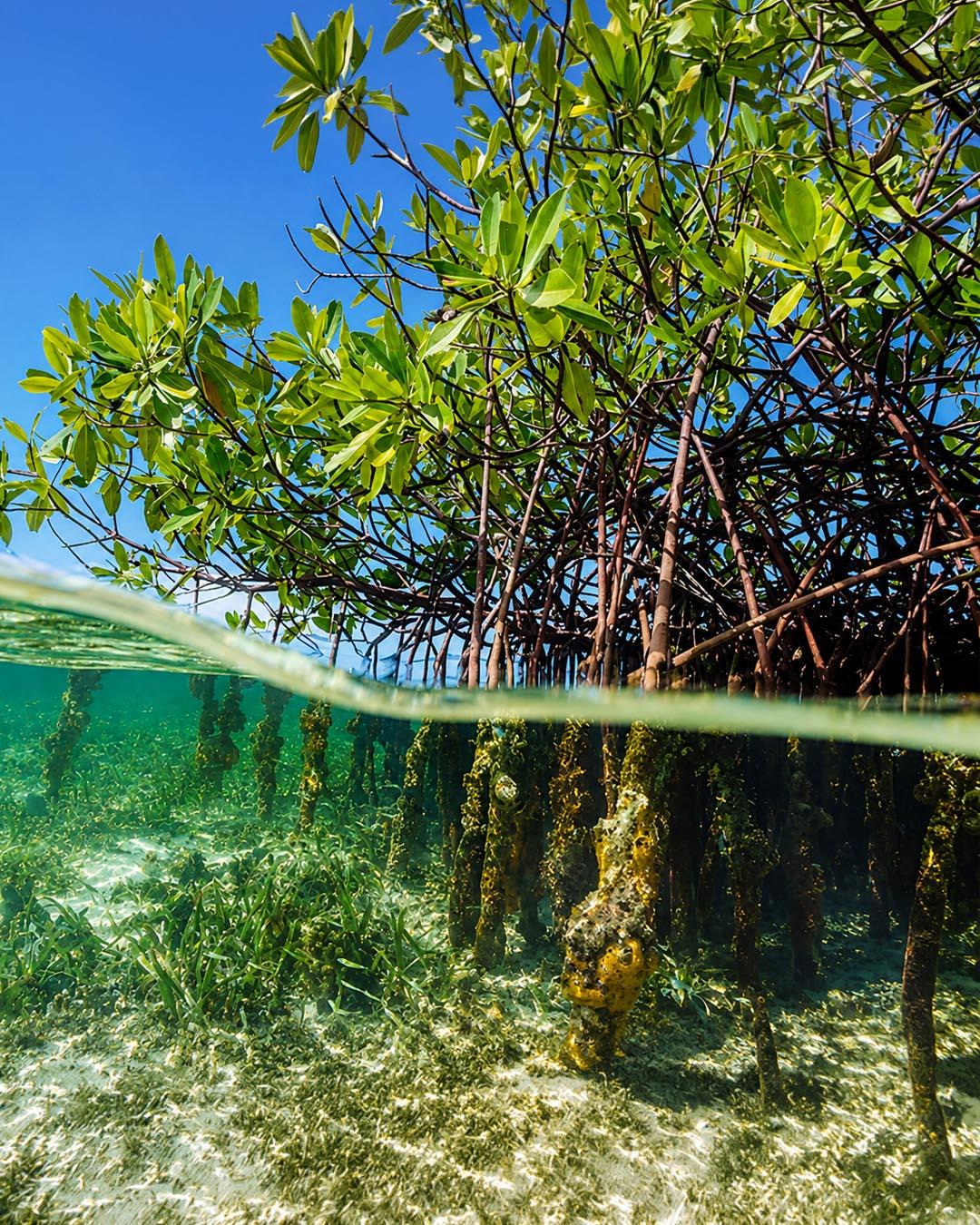
Rapid development is eroding mangroves, seagrass and coral systems that provide storm protection, carbon storage and fisheries habitat.
04
Biodiversity Loss
Fragmented habitats and degraded soils reduce ecological resilience. Connected, functional landscapes reverse this trend at territorial scale.
Yes. And we have already done it.
Can ecological infrastructure work here?
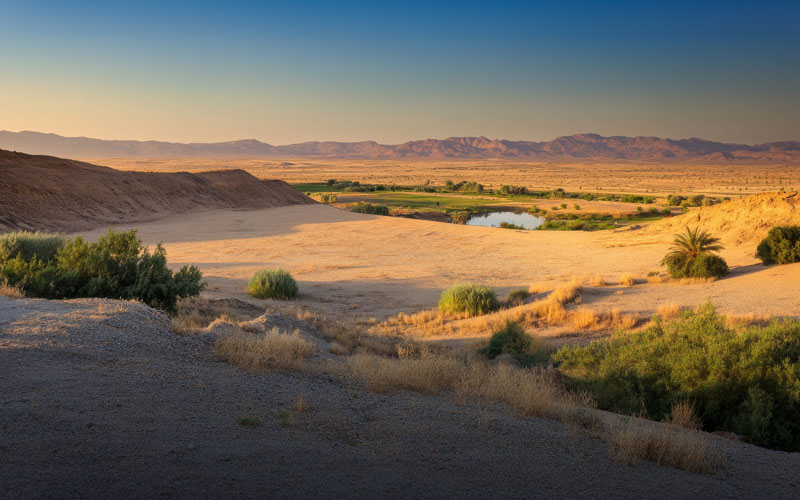
The conditions are challenging: extreme heat, saline soils, limited rainfall and rapid urbanisation. But these are exactly the pressures that nature-based systems are designed to address.
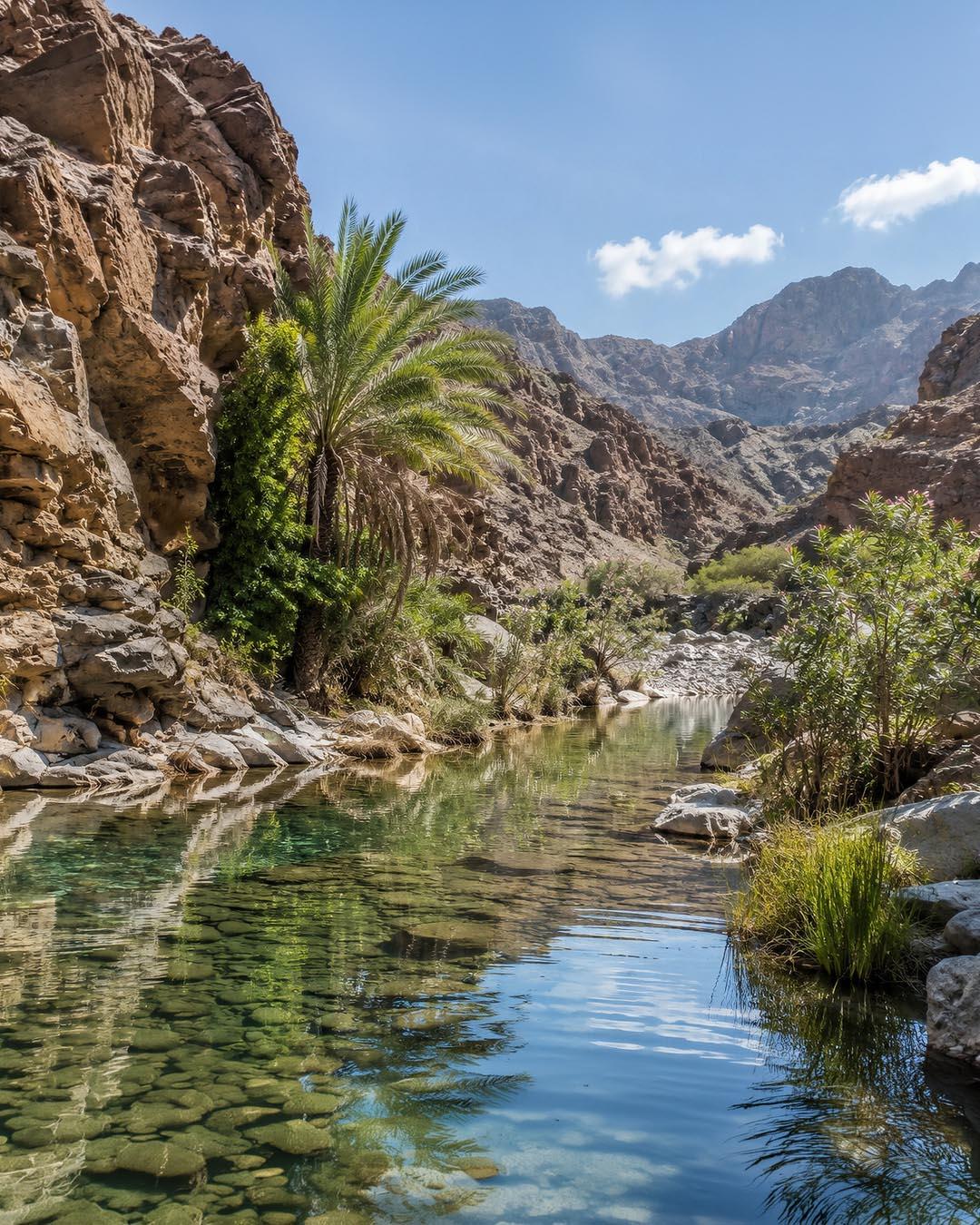
Across the Gulf, from coastal sabkha to mountain wadis, functional ecological systems have existed for millennia. The opportunity is to restore, connect and build upon them at scale, using ecological intelligence developed specifically for this region and its climate.
THE MOUNTAIN-TO-SEA FRAMEWORK
One connected ecological system
The mountain-to-sea gradient is the most complete expression of how ecological systems connect, showing how seven distinct zones each play a role in the wider system, feeding water, nutrients and habitat function from one to the next.
It is a framework for understanding how landscapes actually work. And that understanding is what informs every project we take on, whether the brief involves one of these zones or all seven. You do not need a mountain-to-sea project to benefit from this thinking. Most projects involve just one or two of these zones. What matters is that the work within those zones is designed with ecological intelligence: understanding how water moves, where the land is stressed, which habitats can be restored, and how the landscape can perform better over time.
That is what Desert Group brings to any project, at any scale.
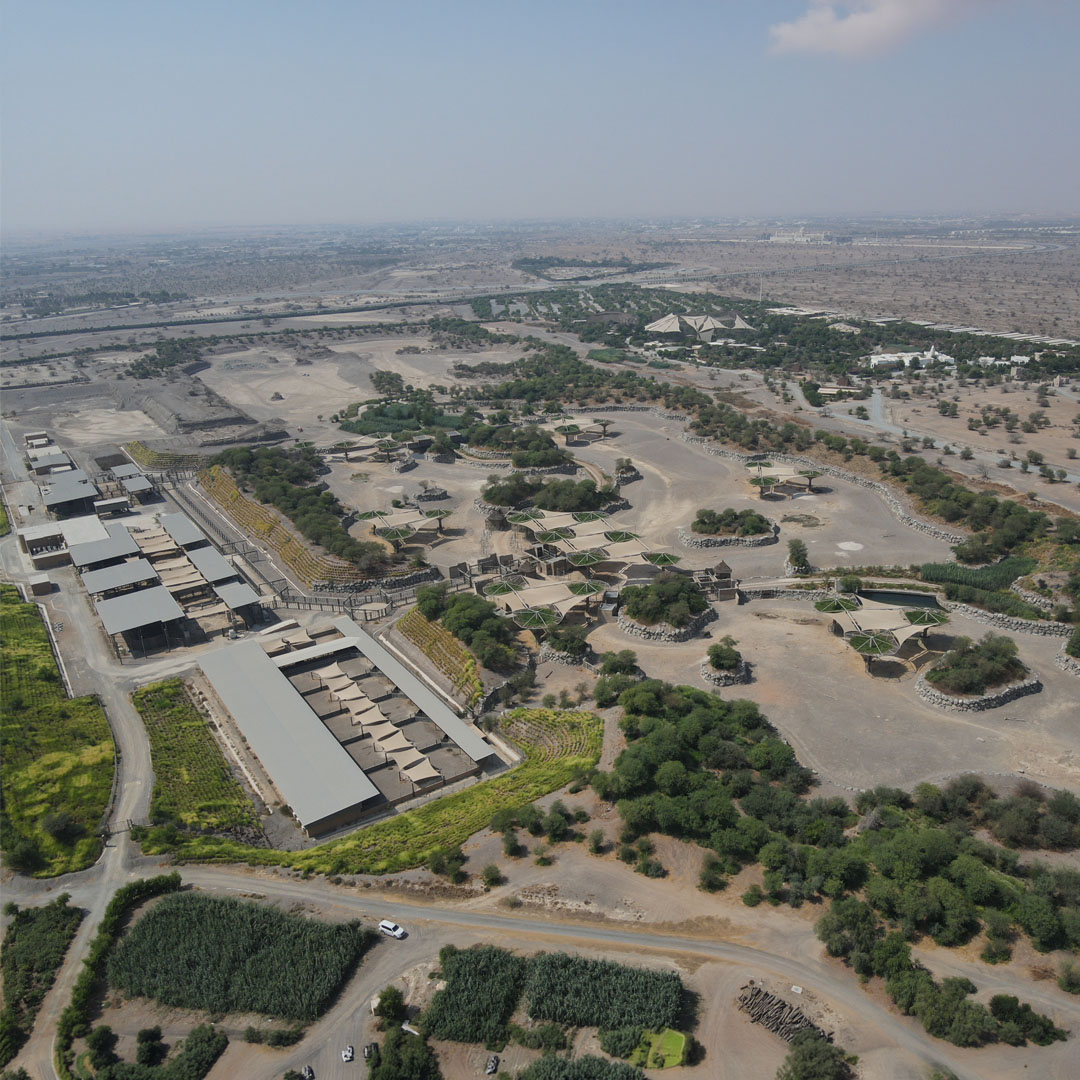
Proven Through Delivery · UAE
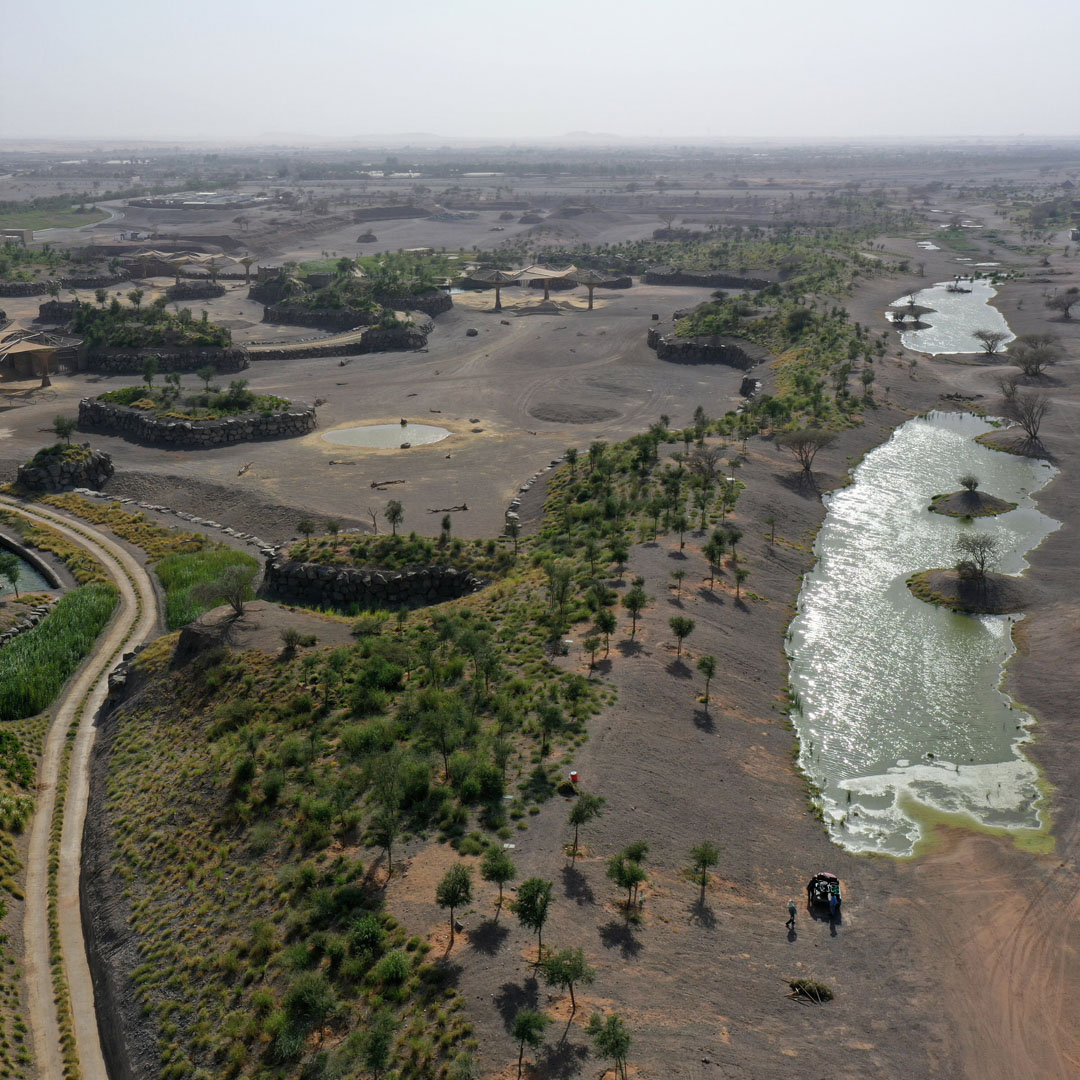
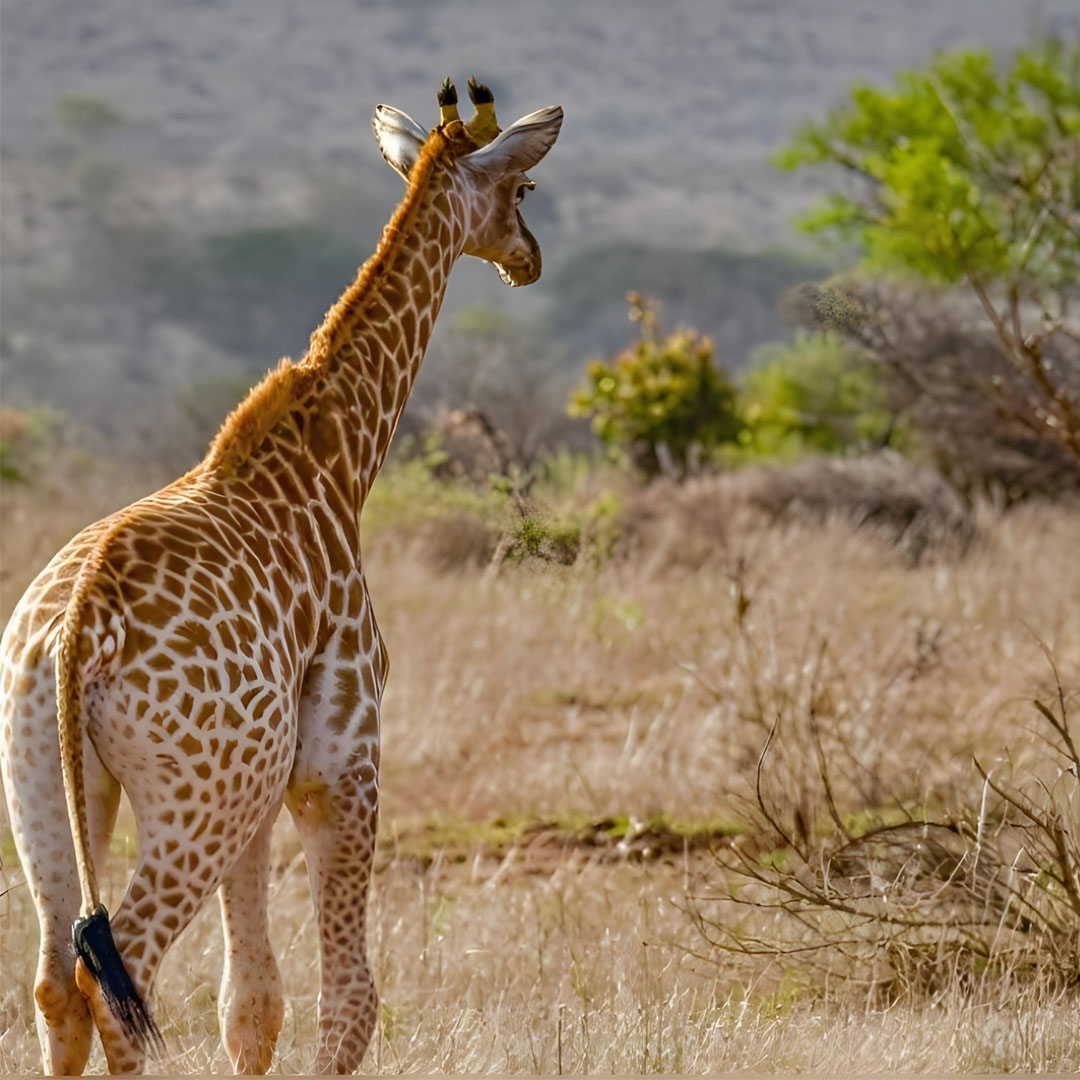
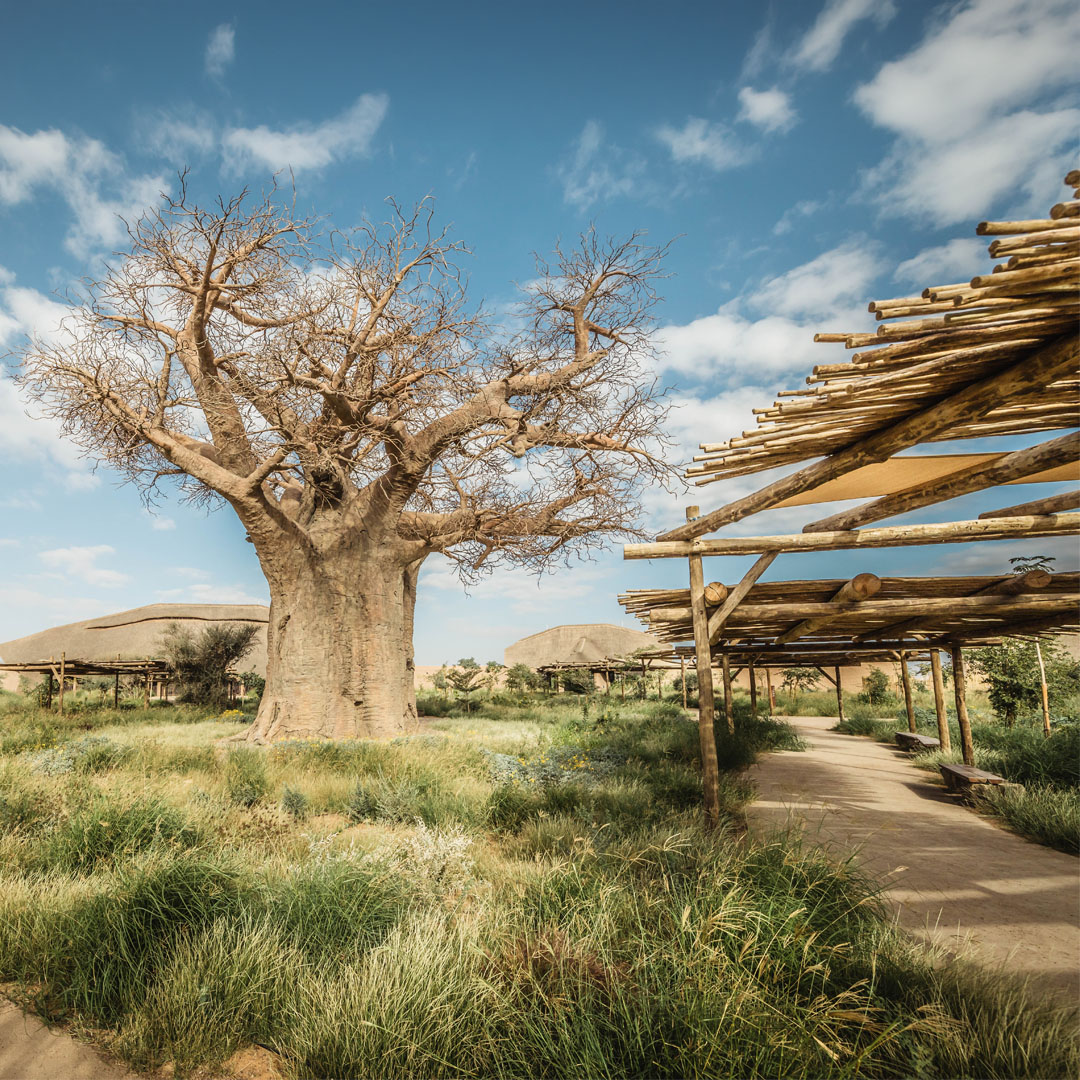
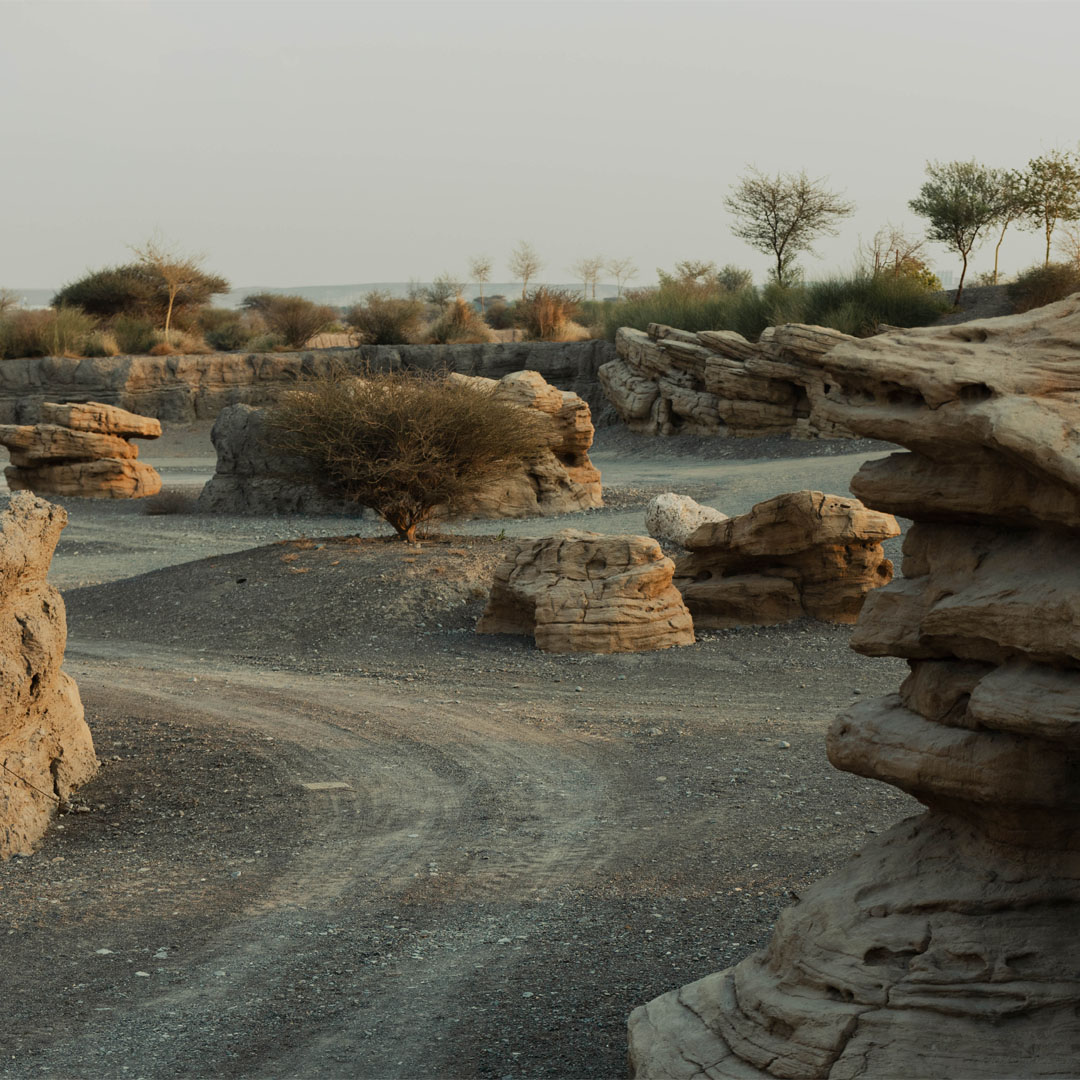
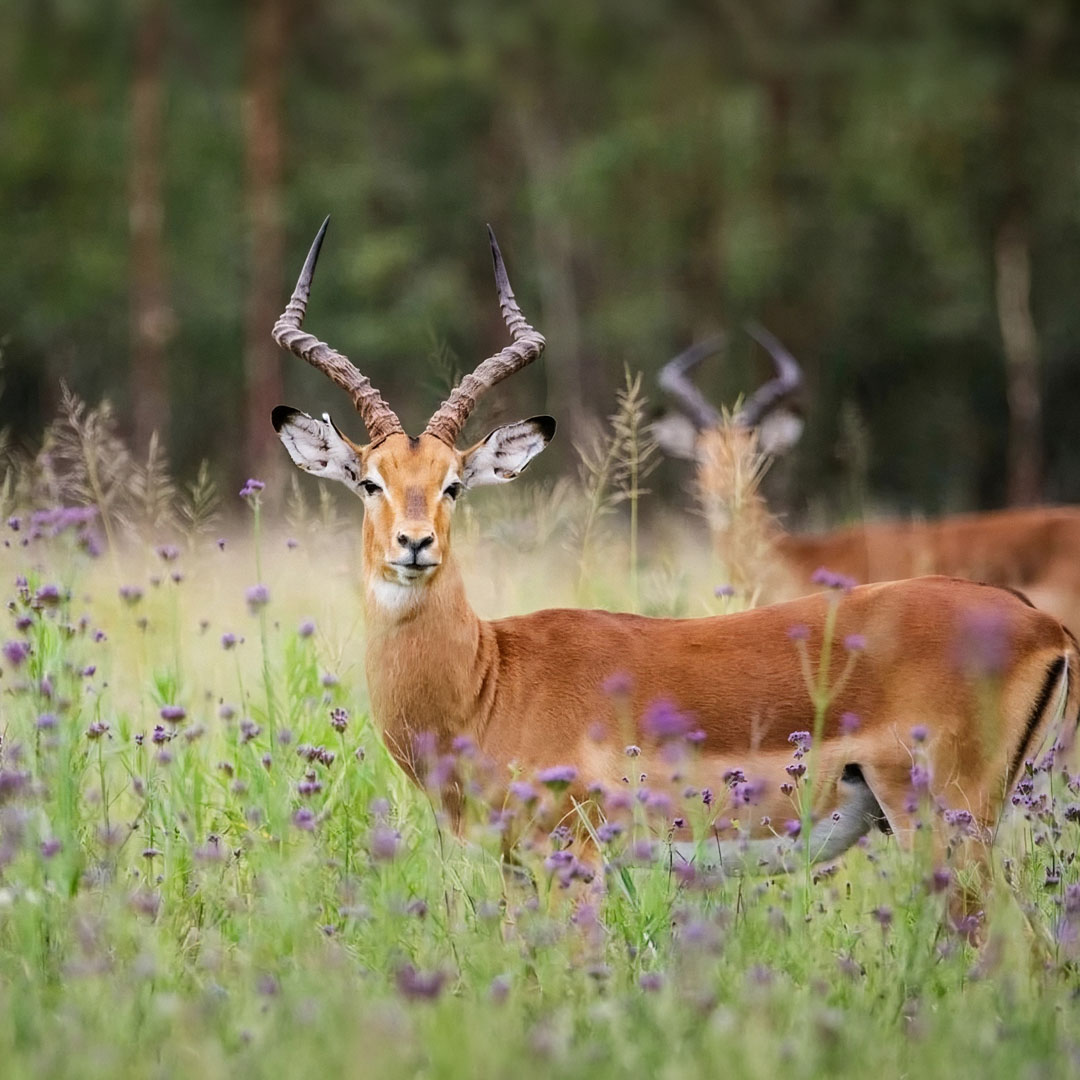
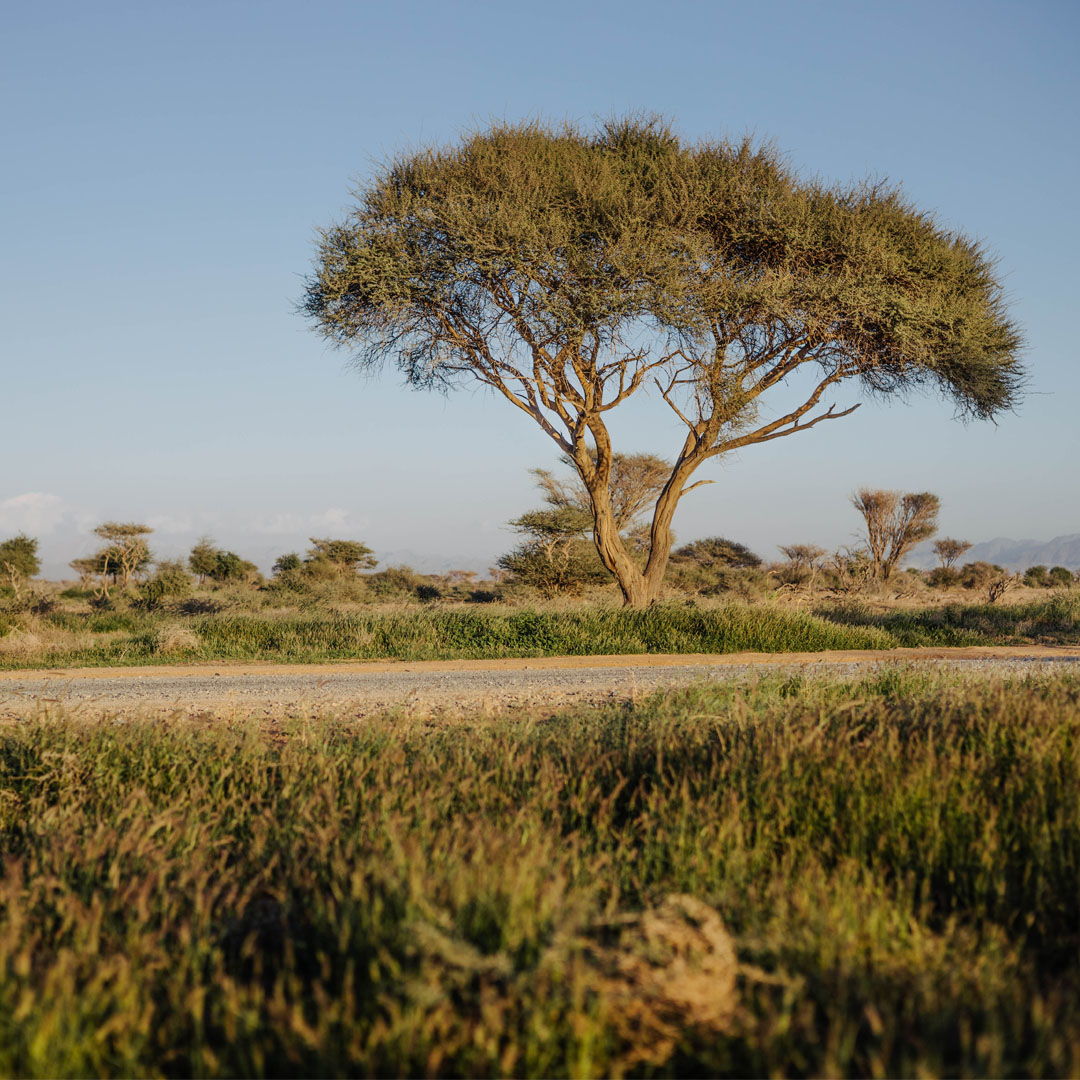
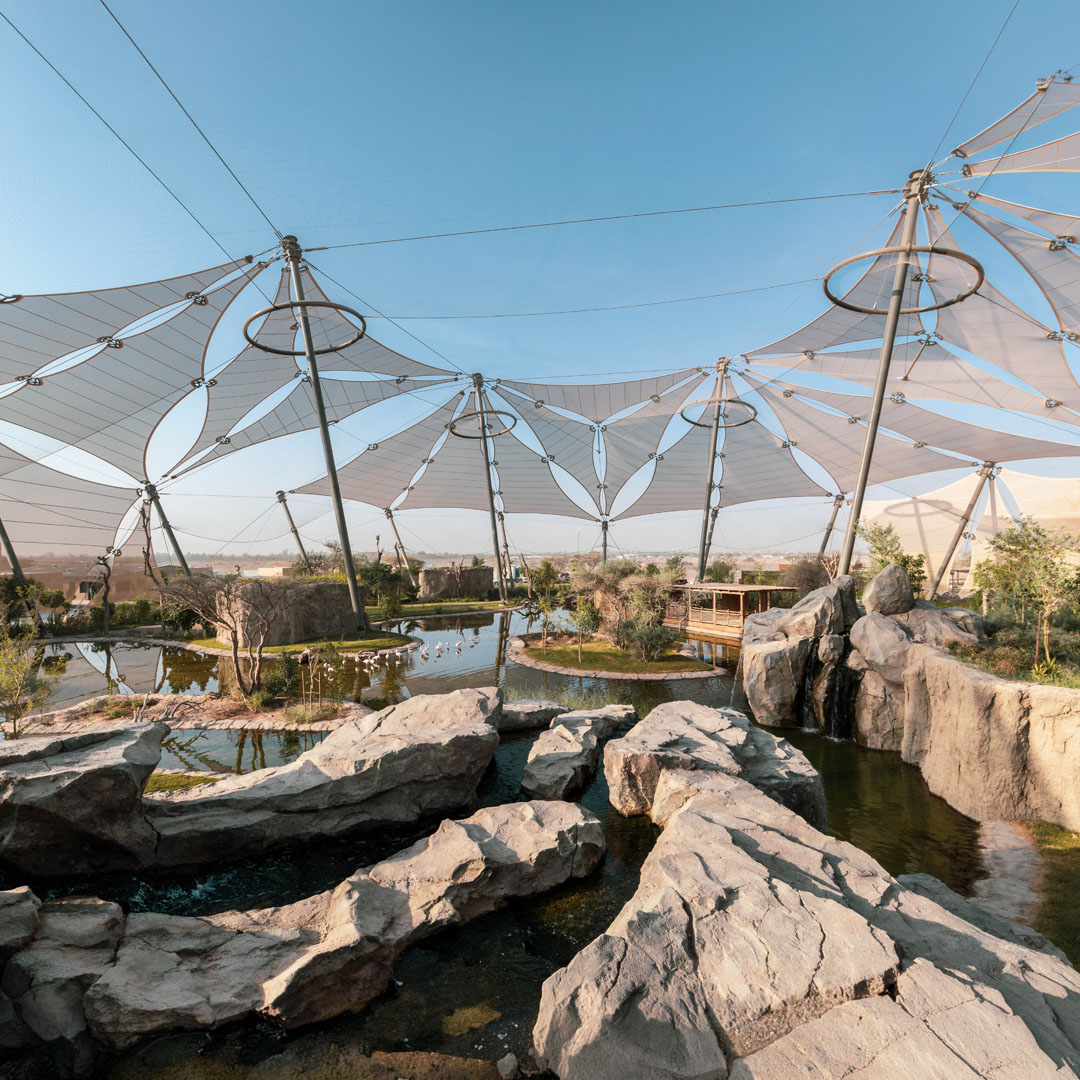
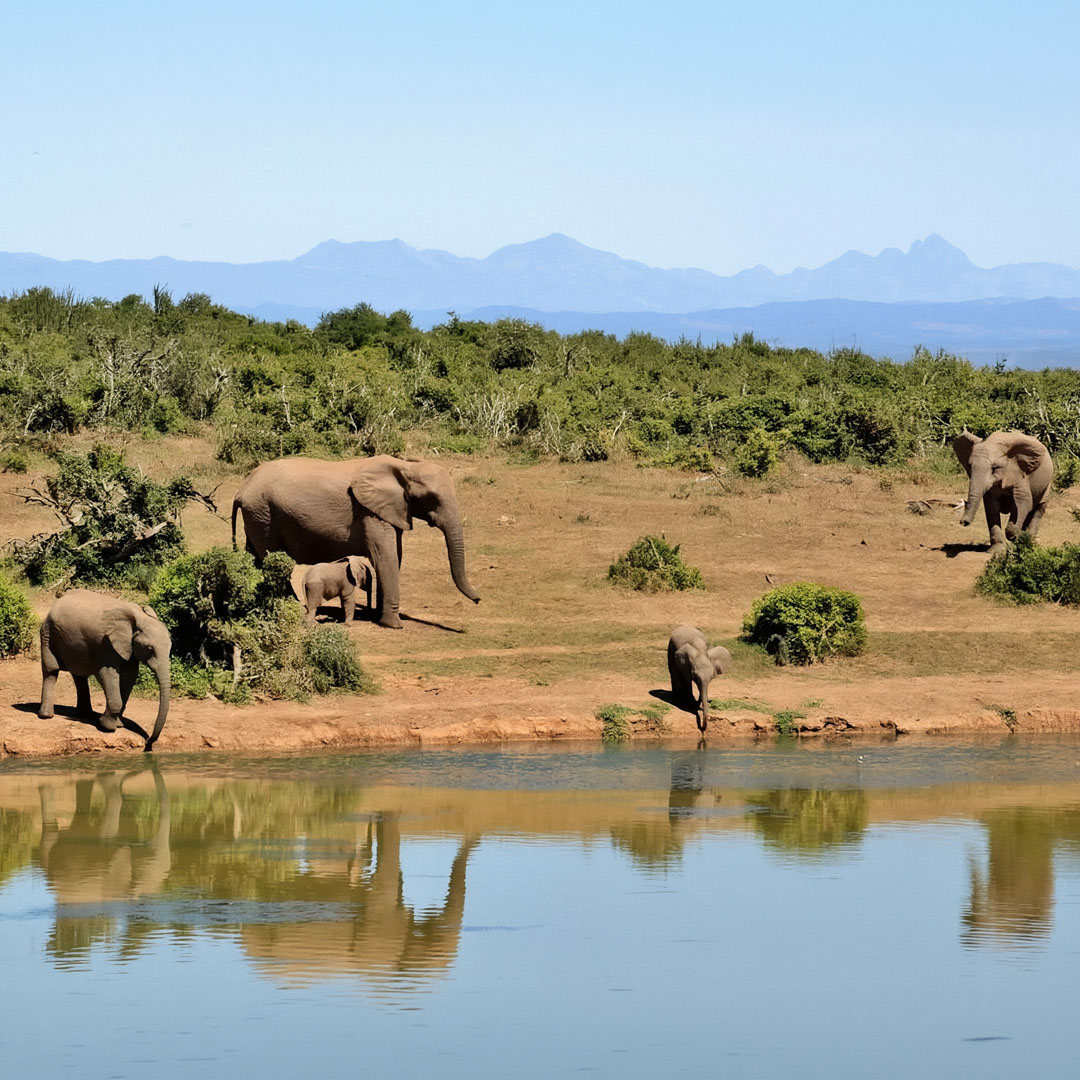
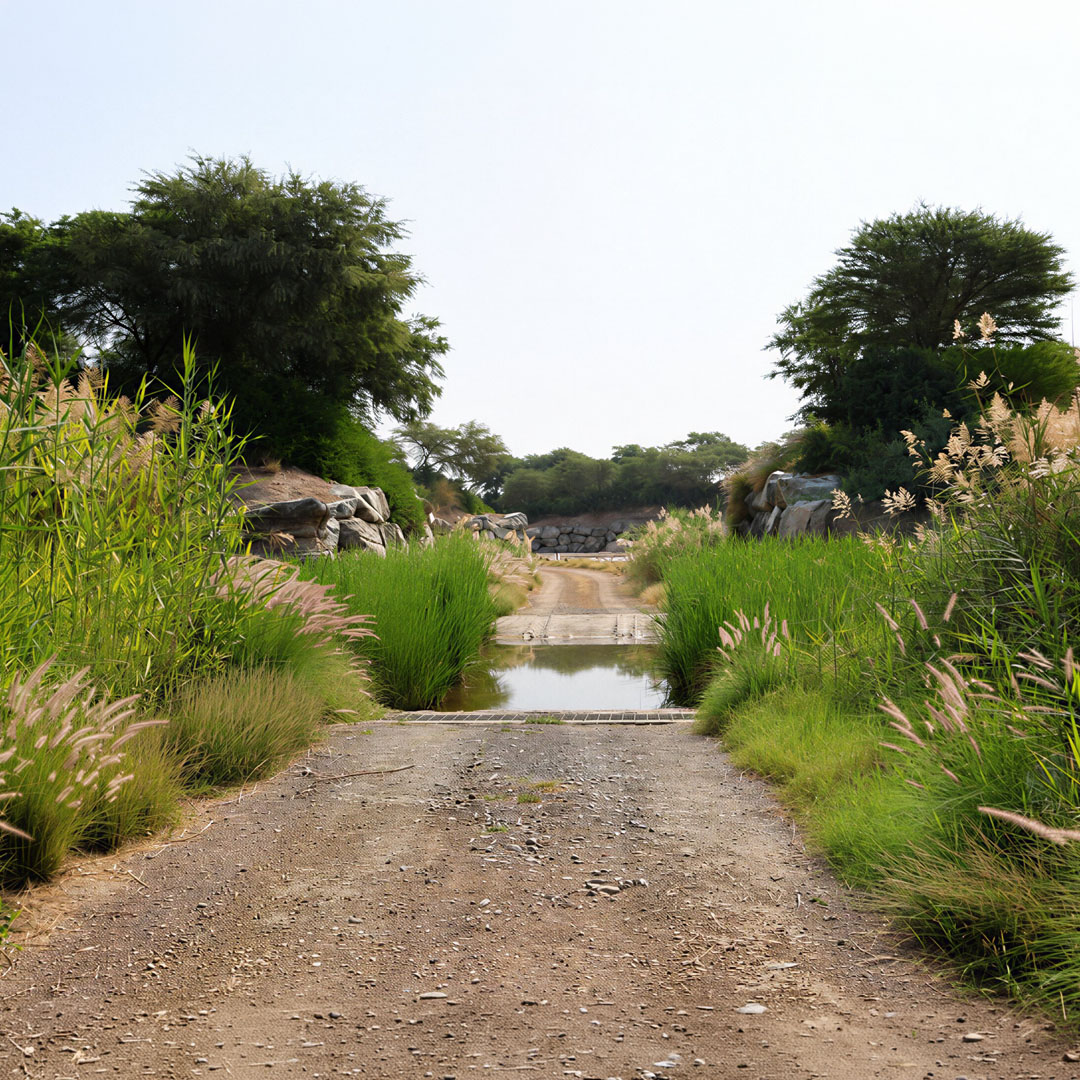
Sharjah Safari Park
From barren desert to a self-sustaining ecosystem. Proof that large-scale ecological infrastructure works in the Gulf.
We delivered a self-sustaining ecological system supporting wildlife, visitors, operations, and climate goals simultaneously. Water, landscape, soil and habitat were planned and built as one functioning system, not as separate contracts.
Why It Matters for Development
Nature creates measurable, compounding value.
Ecological infrastructure is not a cost. It is an investment that delivers returns across tourism, real estate, climate risk reduction and community wellbeing simultaneously.
"The most desirable destinations of the future will not be defined by buildings alone. The quality of the living systems that surround them matters just as much."
Desert Group · Ecological Infrastructure Framework
How Desert Group Can Engage
We meet you wherever the project is.
Every project is different. Some clients come to us with a masterplan already in progress. Others start from a blank site. Some want a single system designed well: a water feature, a planted corridor, a coastal edge. Others want a long-term ecological strategy from day one. We work across all of it.
Start the ConversationFrom Vision to Reality
A phased, achievable approach
Starting with a focused study and scaling to a living territorial legacy. Each phase builds on the last with measurable outcomes.
Phase 1
Strategic Feasibility & Systems Study
Ecological baseline, hydrology mapping, opportunity zones and economic modelling to establish priority interventions.
Outcome: Ecological opportunity map
Phase 2
Pilot Demonstration Project
A flagship corridor or system implementation proving the concept with measurable, visible and documented outcomes.
Outcome: Proof of concept and value
Phase 3
Integrated Master Framework
Territory-wide masterplan connecting all systems, phased roadmap, policy integration and investment framework.
Outcome: Territorial ecological plan
Phase 4
Long-Term Stewardship & Monitoring
Adaptive management, ESG reporting, knowledge transfer and governance ensuring lasting performance and impact.
Outcome: Generational legacy
Proven at Scale. Globally.
Global precedents in ecological restoration
Large-scale restoration of hydrology, vegetation and soil systems has delivered measurable improvements in resilience, productivity and livelihoods across diverse environments.
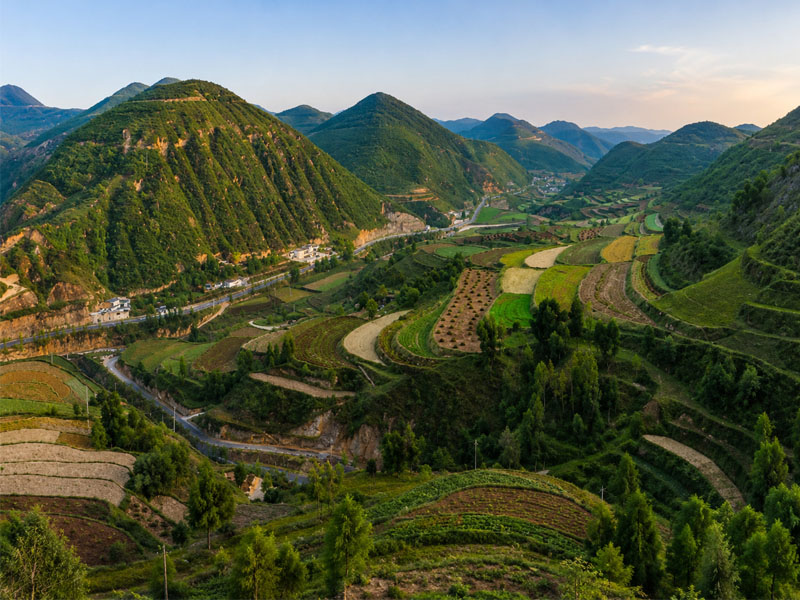 After . 2020s
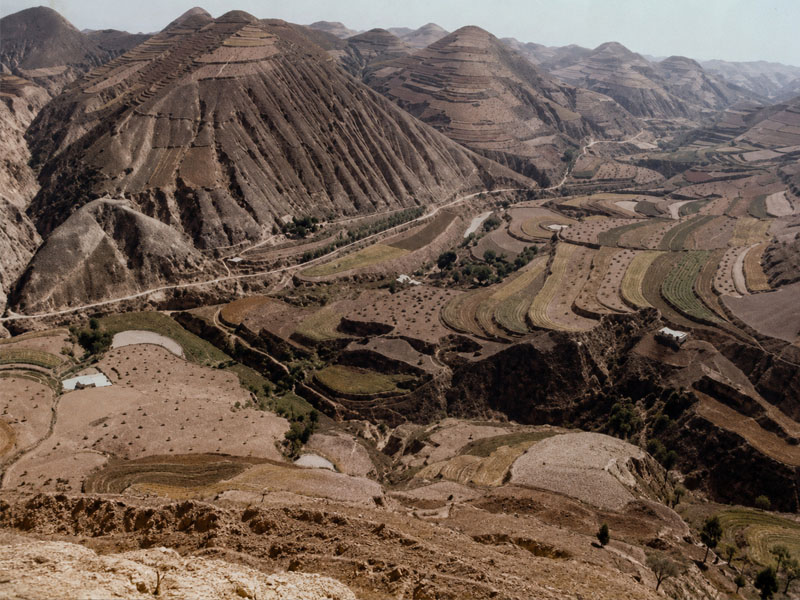 Before . 1990s
Loess Plateau - China
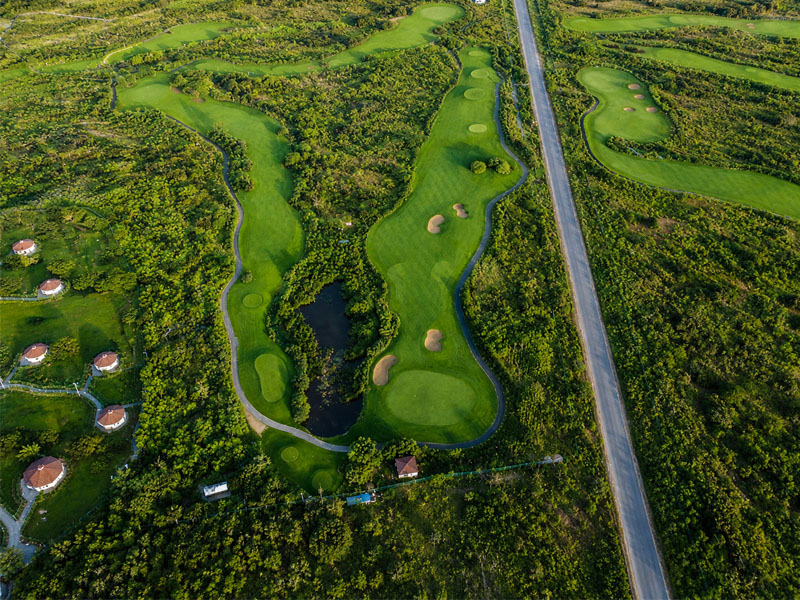 After . 2020s
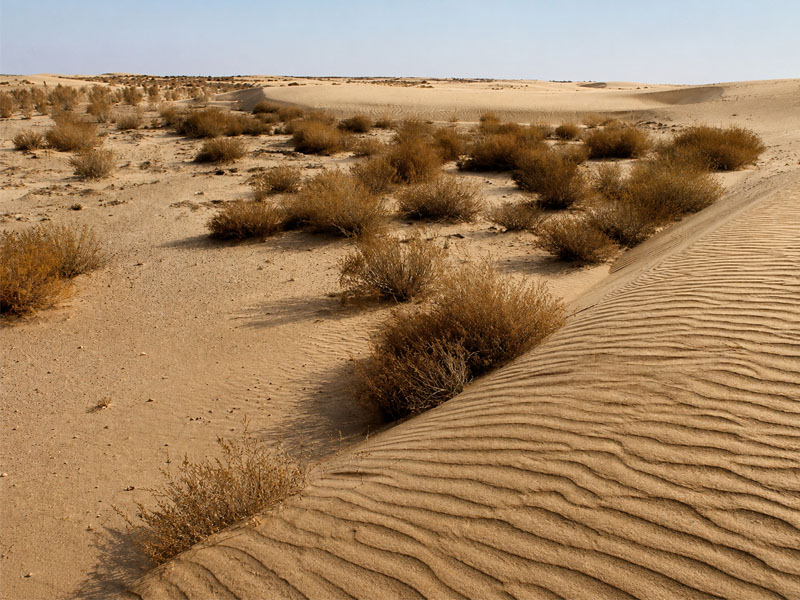 Before . 1990s
Kubuqi Desert - Inner Mongolia
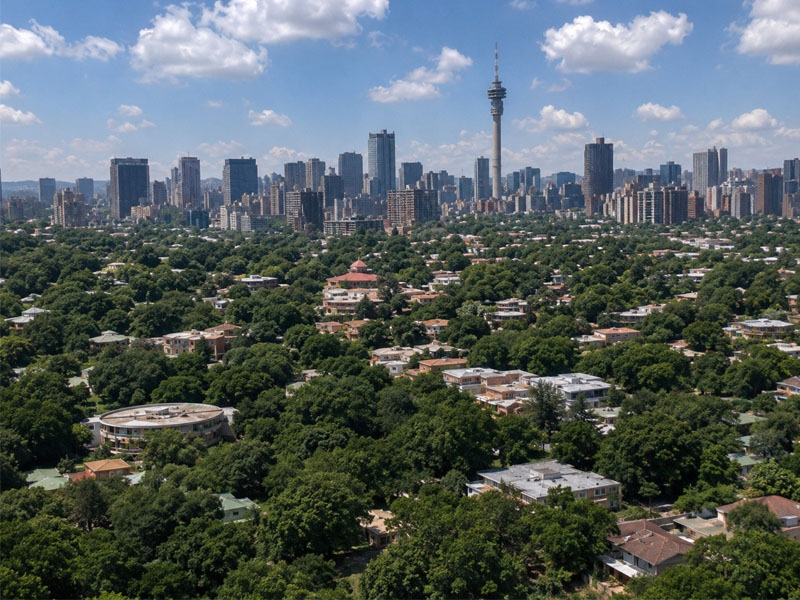 After . 2020s
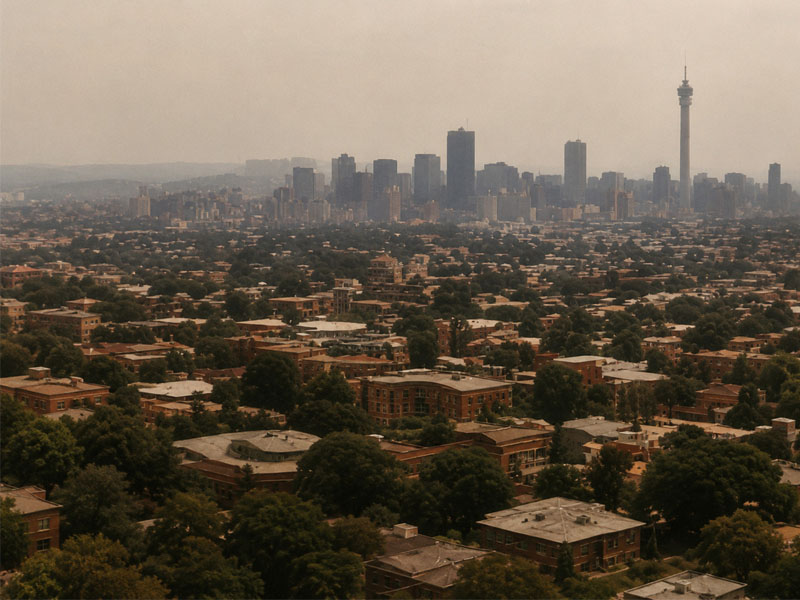 Before . 1990s
Johannesburg Urban Forest - South Africa
When we work with natural systems, nature delivers measurable, lasting value.
Common Questions
Frequently asked
Let's Start the Conversation
Request a Consultation
Whether you are planning a territory, a masterplan, a single building's landscape or anything in between. If there is nature involved, there is something we can contribute. We would welcome the conversation.