
For decades, landscape architecture in the Gulf has been defined by a simple question: how do you create greenery in a climate where water is limited?
Xeriscaping in the UAE is increasingly influencing how landscape architects approach planting palettes, irrigation planning, and climate-responsive design.
Early landscape projects across the region often relied on replicating temperate gardens — lush lawns, dense planting palettes, and irrigation systems designed to sustain them. While visually appealing, these landscapes frequently struggled against the realities of desert environments.
Over time, the industry began to recognise an important truth: landscapes in the Gulf must work with the desert, not against it.
This shift in thinking is where xeriscaping has started to play a larger role in modern landscape design.
Xeriscaping in the UAE Landscape Industry
Xeriscaping is often misunderstood as minimal planting or gravel-heavy landscapes. It represents a design philosophy centred on water-conscious planting, climate-responsive layouts, and long-term environmental resilience.
At its core, xeriscaping focuses on:
- selecting plants suited to arid climates
- improving soil conditions to retain moisture
- designing landscapes that reduce irrigation demand
- integrating hardscape and shade elements strategically
This approach allows landscapes to remain visually rich while significantly reducing irrigation demand. In fact, water-wise landscapes can reduce irrigation needs dramatically compared to traditional lawn-based landscapes.
For regions like the UAE, where temperatures regularly exceed 40°C and rainfall is limited, this approach is not simply a design choice — it is a practical response to environmental conditions.
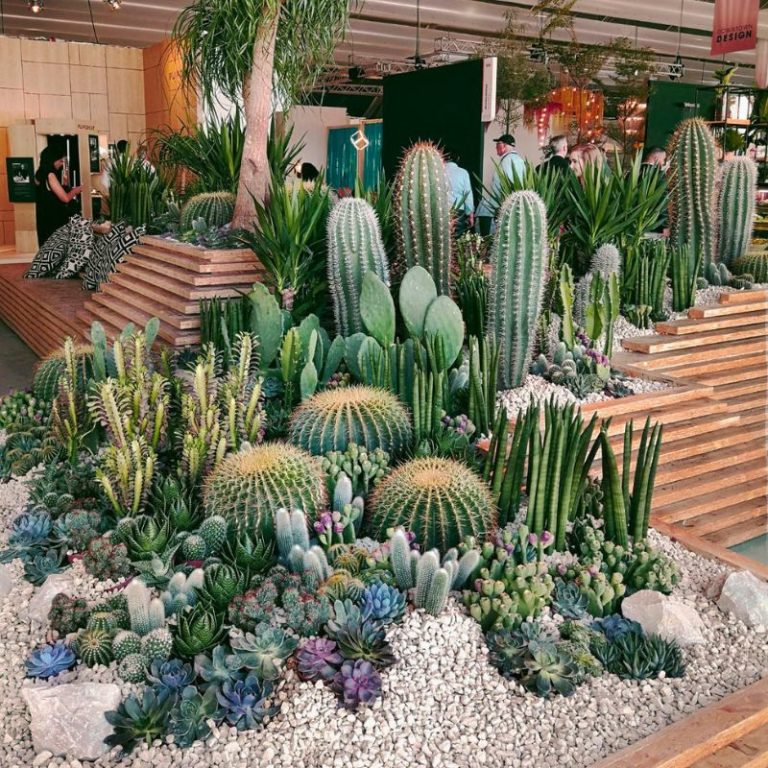
Landscapes Designed for the Climate
Across the Middle East, the role of landscape architecture is evolving.
Today, outdoor environments are evaluated not only for their visual impact but also for how well they respond to climate realities. Plant palettes, soil composition, irrigation planning, and spatial layout are increasingly designed as interconnected systems.
When landscapes are planned with these considerations in mind, they tend to perform more consistently over time.
Planting strategies that include hardy shrubs, ornamental grasses, and drought-tolerant species create layered textures and visual depth while requiring significantly less irrigation. These environments often feel more natural within the desert context because they reflect the surrounding landscape rather than attempting to recreate a foreign one.
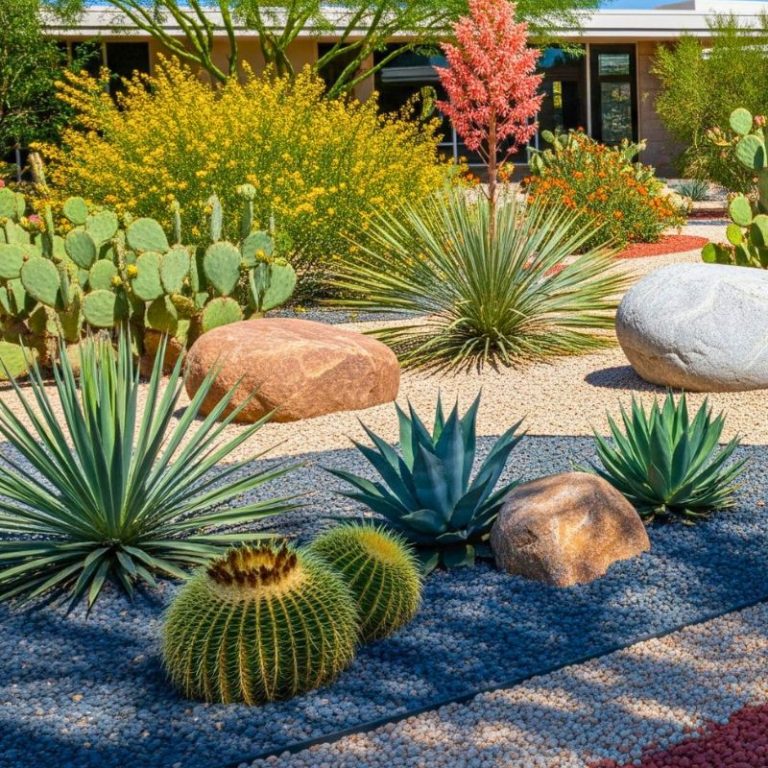
Lessons from Landscape Projects in the Region
Across projects such as Sharjah Safari and major hospitality landscapes across the UAE, water-conscious planting strategies have increasingly influenced planting palettes and irrigation planning.
These projects demonstrate that landscapes can remain vibrant without relying on excessive water use. By combining adaptive plant species with thoughtful layout planning, designers can create outdoor spaces that are both resilient and visually compelling.
Over the past three decades, Desert Group has contributed to shaping landscapes across the region, from hospitality developments and public spaces to large-scale masterplans. Through these projects, one pattern has become increasingly clear:
Landscapes designed around environmental realities tend to perform better, require fewer interventions, and maintain their character over time.
A Maturing Landscape Industry
The growing conversation around xeriscaping reflects a broader shift within the landscape architecture profession.
As cities expand and sustainability becomes central to urban planning, designers are increasingly exploring how landscapes can deliver more than aesthetic value. Landscapes now play an important role in cooling urban environments, supporting biodiversity, and managing natural resources responsibly.
In this context, xeriscaping is less about a single design style and more about a mindset — one that acknowledges the environmental realities of the region and responds to them intelligently.
Designing the Next Generation of Landscapes
Looking ahead, landscapes in the UAE will continue evolving as cities grow and climate considerations become more prominent.
Design strategies that prioritise environmental performance, water efficiency, and long-term resilience will increasingly shape how outdoor environments are planned.
Xeriscaping is one example of how the industry is adapting not by reducing greenery, but by designing landscapes that belong to the desert environment they occupy.
Because in a region where every drop of water matters, the most successful landscapes are often the ones that respect the land they grow from and the climate they belong to.
Explore our projects at desertgroup.ae. We’d love to connect.